
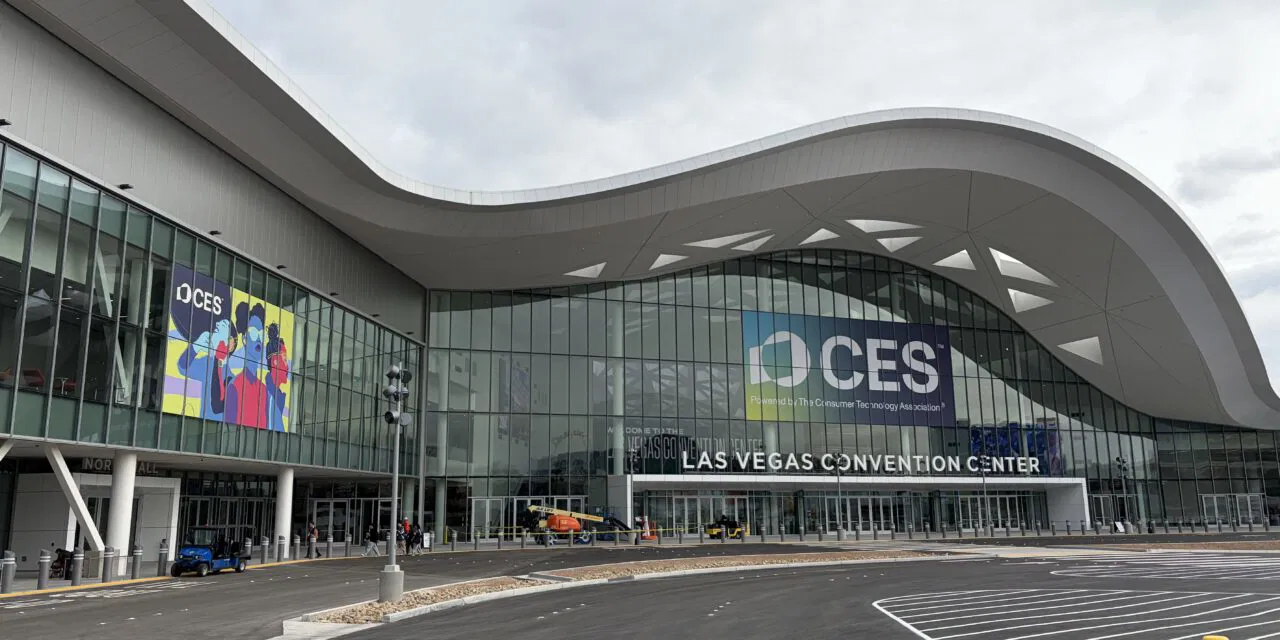
EXHIBITION · CES 2026 · SCAILOUT TEAM
Instead of waiting vaguely at the booth,we met the people we'd arranged to see first
Las Vegas Convention Center, USA · Jan 6–9, 2026
We were on the ground with our clients throughout CES 2026.
From matching local talent and hosting evening networking events to organizing the next day's client meetings and discussing strategy, we supported what the teams needed on site.
After the show, what remained was more than a stack of business cards: relationships ready for follow-up and the next meeting.
Story
Four days at CES, and almost nothing went to plan
We were on the CES floor with our clients. Every team faced a different situation, so we kept adjusting the strategy and changing priorities on site.
Even four full show days were not enough to see the entire venue.
At that scale, trying to see every booth and every attendee makes it easier to miss the meetings that matter.
There was not enough time to cover the convention center, the Venetian, and Eureka Park, so we first identified the people we had to meet and the booths we had to visit.
While clients stayed at their booths, we handled the work they could not.
One client had a founder and two developers running the booth. They could not step away during the day, and their evenings kept filling up too.
The founder did not have time to sort business cards, decide whom to contact again, and find additional teams worth meeting.
A local Korean Talent joined the team to support the booth and organize leads. When another company came up on site, we researched it immediately and kept a separate list of people to contact again.
Several meetings had already been scheduled before the show began.
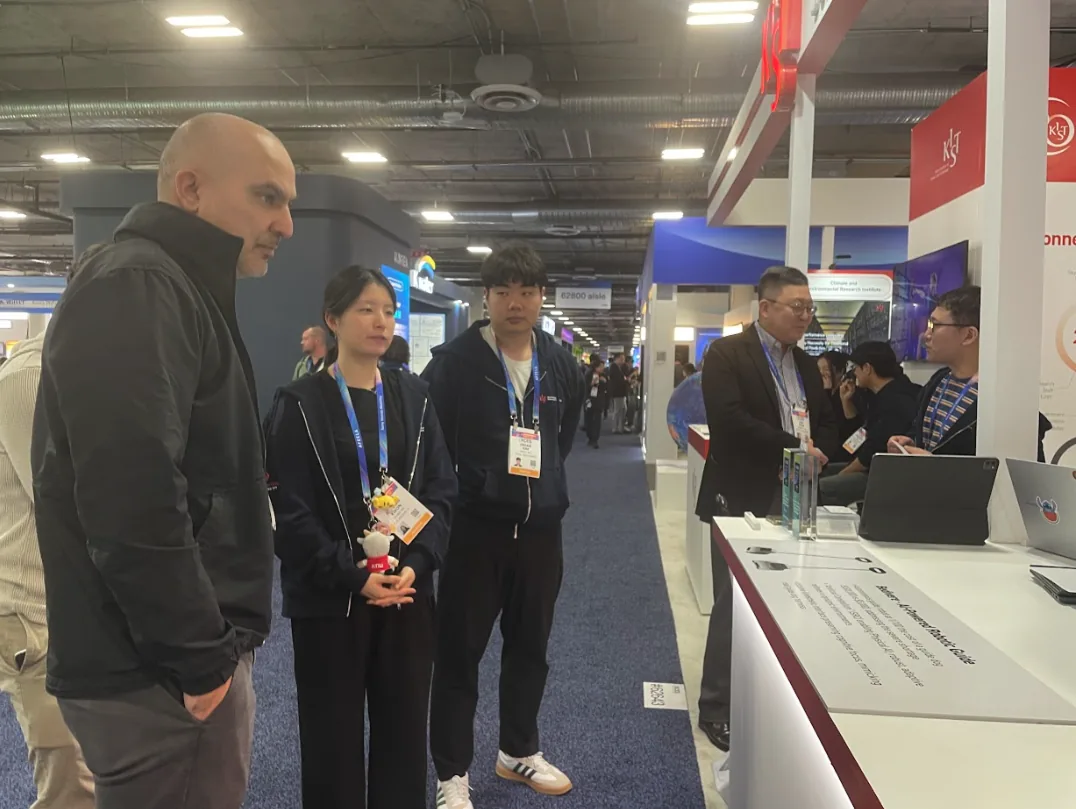
The value was not simply having one more person. It was being able to handle the work the founder could not get to, right away.
“We had been to plenty of overseas shows besides CES, but this time it actually led to the next meeting. Having someone handle the preparation, the floor, and the follow-up together made everything much easier.”
Back at the hotel, we reviewed the day and rebuilt the strategy for tomorrow.
We stayed at the same accommodation as another client.
We did not set separate meeting times. In the morning or evening, we reviewed the people met that day and organized the strategy and schedule together.
We immediately sorted out whom to contact again, which booths were essential the next day, and which ones could be skipped.
From day three, we changed how we moved around. Instead of visiting booths at random, we focused on the places we had to see and the meetings already booked.
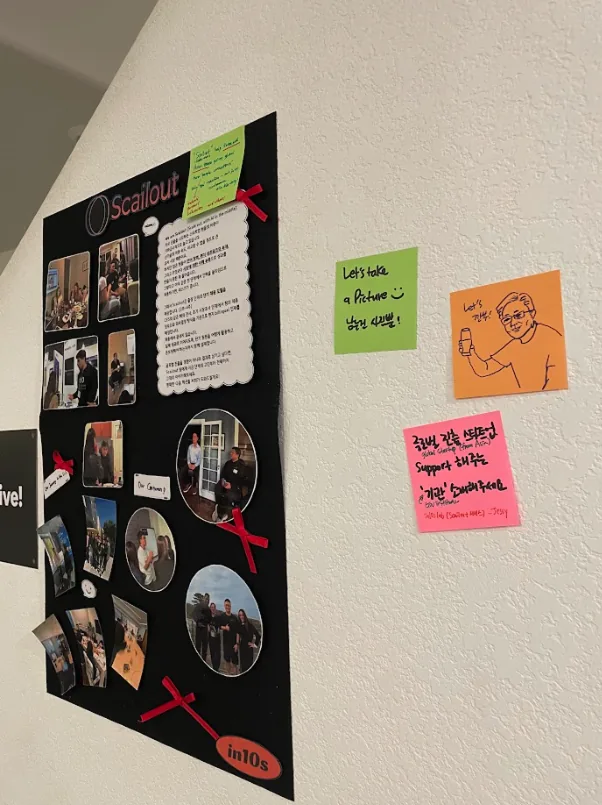
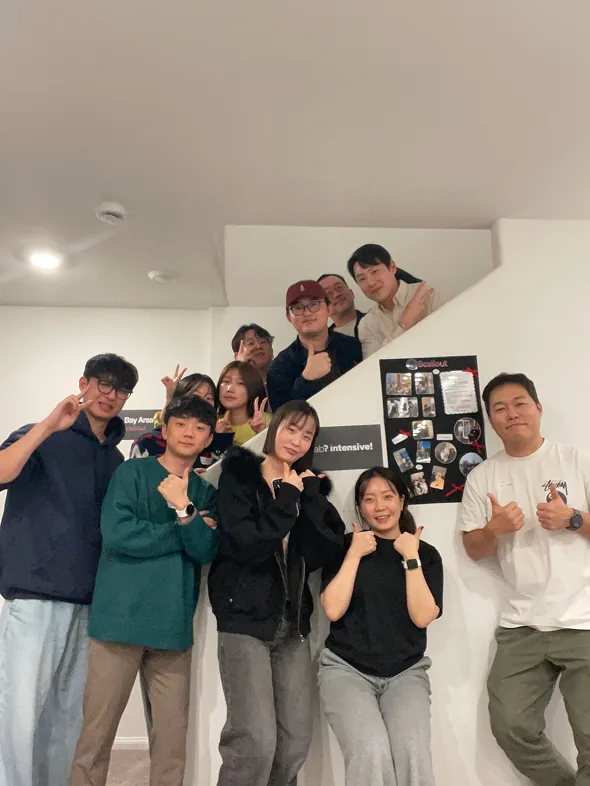
In the evening, we invited people to a separate networking event.
There was rarely enough time for a long conversation with someone met briefly at a booth.
So we created a small networking meetup at the accommodation. We invited people we wanted to speak with further or had hoped to meet, and some guests brought others with them.
Conversations that began briefly at a booth during the day could continue in more depth that evening.
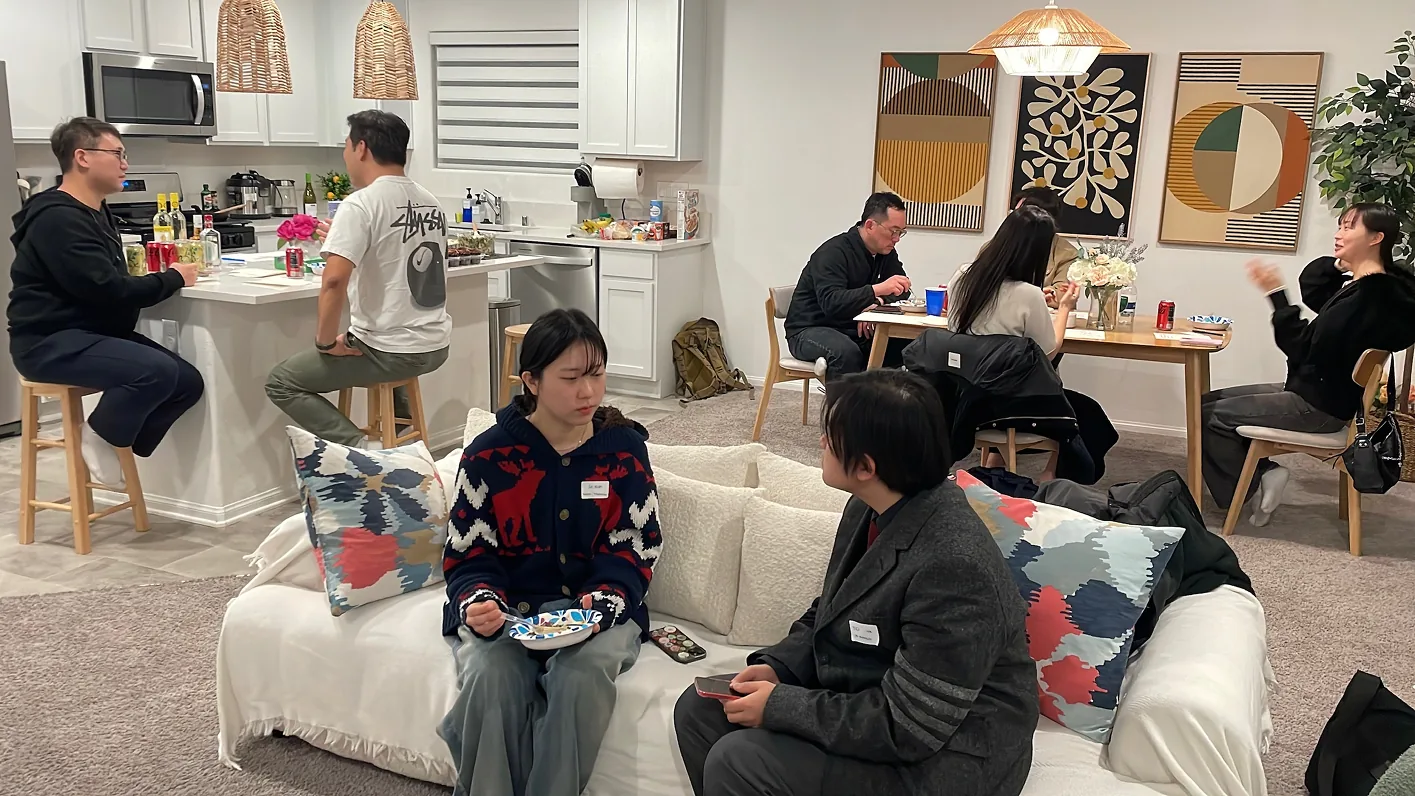
“Moving through the show with Scailout helped us understand who to meet on site and how to make better use of an overseas exhibition.”
Unplanned problems kept coming up on site.
Wi-Fi dropped often, so anything that needed to be checked online was handled at the accommodation in advance. Routes and materials were also prepared separately for immediate access on site.
By day three, stamina became a variable. The founders were getting tired, meetings were still coming, and managing follow-up became increasingly difficult.
Since then, we have stopped filling schedules with meetings alone and started building in time to rest and organize.
At this CES, the schedule kept changing.
Almost no day followed the original plan exactly.
We watched the response on site, changed the next day's route, reset priorities, and spent time where a deeper conversation looked worthwhile.
In the end, deciding whom to meet in advance and giving them time mattered far more than covering as much ground as possible.
It's your turn
Curious how this was built?
Start building a schedule that turns into results